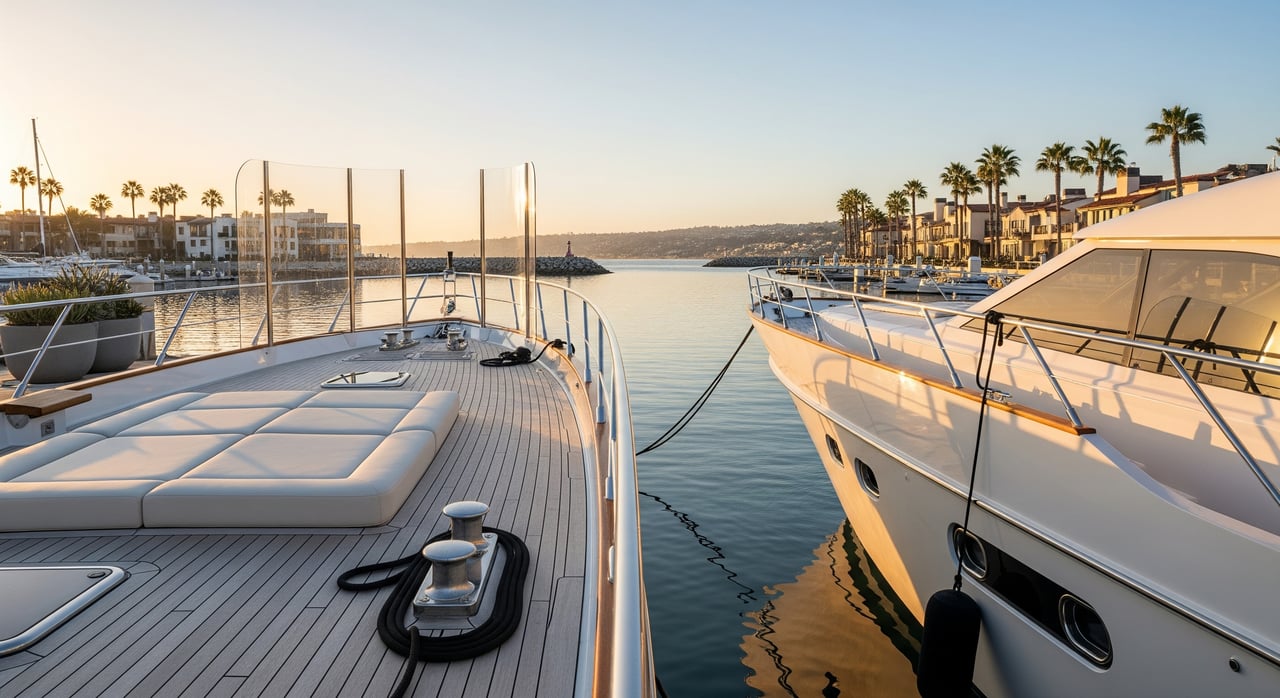
Dreaming of a home where you can stroll to your boat, watch the sun drop behind the Headlands, and grab dinner on the water? If Dana Point Harbor living is on your radar, you are in the right place. You want the boating basics, the lifestyle perks, and which neighborhoods actually put you closest to the action. This guide breaks it all down with practical steps so you can move forward confidently. Let’s dive in.
Boating basics in Dana Point Harbor
Slip vs mooring: what to know
A slip gives you walk-on access, shore power, fresh water, and easier provisioning and maintenance. If you plan to use your boat regularly, a slip offers the most convenience. Some marinas allow liveaboards, but policies are often limited and controlled by the harbor master.
A mooring typically costs less than a slip but requires a tender for shore access and can feel more exposed to swell or wind. Availability is limited in most harbors, and not all moorings are year-round. If you take short trips and do not need dockside utilities, a mooring can work well.
Buyer tip: In Southern California, waitlists for slips can be long. Expect to provide proof of ownership and insurance, and ask about residency priority.
Marina types and availability
Dana Point Harbor includes city-run operations alongside private businesses and charter operators. You will find transient dockage for short stays, monthly and annual leases, and in some harbor-front developments, HOA-controlled slips. Pricing varies by size, location, and amenities. Always confirm the slip’s length overall and beam limits, electrical service, and depth at low tide before committing.
Services and maintenance access
Look for core services like a fuel dock, pump-out stations, mechanical and canvas services, and a chandlery for parts. For major haul-outs or bottom work, some owners use larger shipyards in nearby ports. If you plan a refit or frequent maintenance, ask about local yard capacity and seasonal timing.
Rules, safety, and insurance
Dana Point Harbor has no-discharge rules and expects proper pump-out use. Speed limits, liveaboard policies, dinghy storage, and guest dock rules are set by the harbor master and marina operators. Standard boat insurance is usually required for slip leases, and coverage levels vary by vessel and marina. The harbor sits behind a protective breakwater, but you should still monitor swell, seasonal conditions, and current channel markers. Consult local authorities for the latest navigational guidance.
Everyday amenities on the waterfront
Dining and retail by the docks
The harbor’s waterfront district offers restaurants, casual eateries, and shops geared to boaters and visitors. If you live harbor-front, walkability is a real plus. Dana Point is also progressing through a multi-year harbor revitalization effort that aims to update commercial areas and marina facilities. Check current status with the City before making time-sensitive plans.
Whale watching and charter life
Dana Point is known for year-round whale watching and sportfishing. Peak gray whale migration typically runs from late December through April, while other species like humpbacks and blue whales can appear at different times of year. Charter activity adds daytime energy, especially on weekends and holidays, so consider this when evaluating homes right by the docks.
Trails, beaches, and parks
You will find pedestrian-friendly harbor walkways and coastal trails, including lookouts on the Dana Point Headlands and nearby bluffs. Doheny State Beach sits just south of the harbor’s commercial area and is popular for swimming, surfing, picnicking, and camping. Families often appreciate the combination of easy beach access and marine education programs offered nearby.
Events and seasonal rhythm
Dana Point hosts beloved ocean-themed festivals and harbor events that bring the community together and increase visitor traffic. Spring festival season and summer weekends see the most activity. Plan for parking and dock access during peak dates if you live closest to the water.
Best neighborhood access to the harbor
Harbor-front and Lantern Village
If you want the shortest walk to your slip, dining, and marine services, look at properties immediately adjacent to the harbor, including parts of Lantern Village and harbor-front condominiums. Expect high walkability and convenience, with the trade-off of more visitor activity and event traffic at times.
Close-in coastal options
Homes within roughly 0 to 2 miles, including areas near Doheny and portions of Capistrano Beach, offer quick biking or driving access. If you do not keep a boat in the marina, consider neighborhood rules for trailer storage and parking before you buy.
Resort areas near Monarch Beach
North of the harbor, Monarch Beach and Salt Creek areas pair upscale housing with nearby beaches and easy highway access. You will likely drive a few minutes to the marina. Some gated communities include private beach or community amenities, but they do not necessarily offer marina slip rights.
Nearby cities for harbor users
If you prefer the housing stock in Laguna Beach or San Clemente, you can still use Dana Point Harbor for boating. Just factor in driving time and potential priority rules, since some harbors give residents preference on slip waitlists.
Real estate and slip rights
Condos and HOA dock details
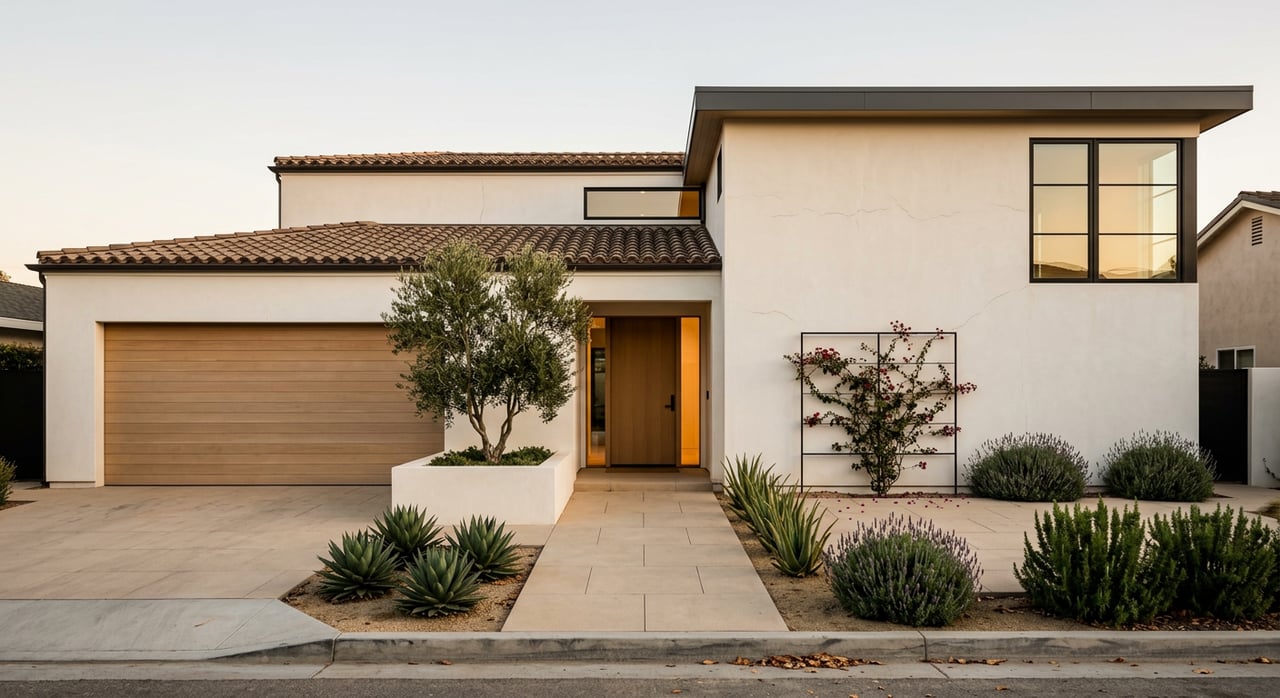
Some harbor-front condominiums include assigned or shared slip access. Always verify whether a slip is controlled by the HOA, if it conveys with the unit, and how guest dockage and parking work. Ask for the HOA’s bylaws and dock use policies during due diligence.
Single-family homes and storage
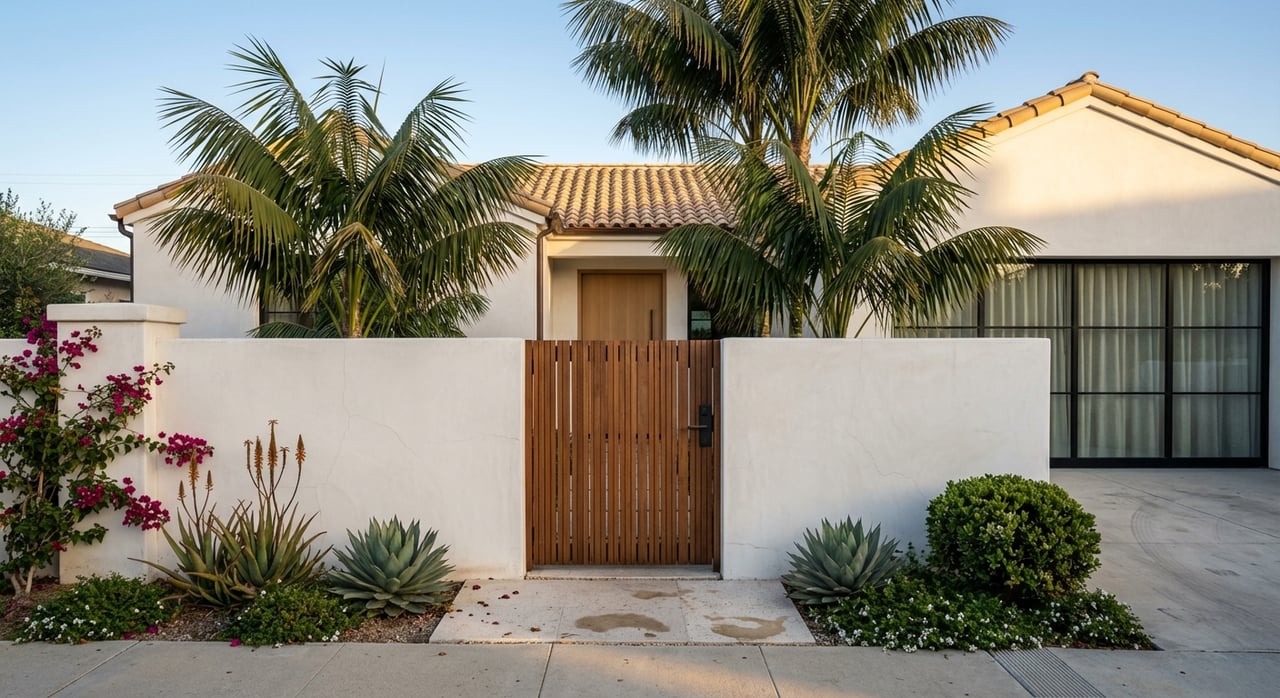
Most single-family homes do not include a slip. If you plan to trailer your boat, confirm city and neighborhood rules on trailer parking and storage. If you will lease a slip or mooring, contact the marina early to understand realistic timelines.
Deeded vs leased slip considerations
Deeded slips exist in some developments, but many municipal marinas issue lease agreements that are separate from property ownership. Clarify whether any slip rights transfer at closing and what approvals are required by the marina or HOA.
Due diligence checklist for boaters
- Slip availability and waitlists: contact the harbor master or marina for current timelines and any resident priority rules.
- Slip size and configuration: confirm maximum length overall, beam limits, and electrical service for a boat you own or plan to buy.
- Fees and assessments: understand monthly slip fees, utilities, security, and any planned increases tied to harbor improvements.
- HOA policies: review rules for dock access, dinghy storage, trailer parking, noise, and guest usage.
- Liveaboard and sanitation: verify liveaboard eligibility and pump-out expectations.
- Insurance: confirm required liability and hull coverage levels.
- Maintenance planning: map out local haul-out options, seasonal schedules, and likely costs.
- Seasonal impacts: note festival dates, peak whale-watching months, and summer weekend traffic.
Practical tips for harbor-centric living
- Verify everything with the harbor master and marina operator before you buy.
- Use a property-specific checklist to confirm whether slip rights are included and transferable.
- Weigh trade-offs: harbor-front homes boost walkability but can feel busier on weekends and event days.
- Budget for ongoing boat costs including slip fees, insurance, fuel, and periodic bottom work or painting.
- Visit in different seasons to see real-world traffic, weather, and harbor conditions.
Plan your move with local guidance
Dana Point Harbor offers a rare blend of boating convenience, ocean recreation, and coastal lifestyle. If you want easy access to slips, charter activity, and beaches like Doheny, focus on harbor-front and close-in neighborhoods. If you prefer more privacy or specific home styles, look slightly inland or to nearby communities and plan your slip strategy in parallel. When you are ready to refine your short list and line up marina details, connect with a local team that understands how the pieces fit together. For tailored advice and property options that match your boating goals, reach out to the Sadri Group to schedule a free consultation.
FAQs
What is the difference between slips and moorings in Dana Point Harbor?
- Slips provide walk-on access, shore power, and water at a higher cost, while moorings are typically more affordable but require a tender and offer fewer utilities.
Are liveaboards allowed in Dana Point Harbor?
- Liveaboard policies are limited and set by the harbor master and marina; confirm current rules and availability before assuming permission.
How long are slip waitlists near Dana Point Harbor homes?
- Wait times vary and can be lengthy; contact the harbor master or specific marina operator to learn current waitlist length and priority rules.
What months are best for whale watching in Dana Point?
- Peak gray whale migration typically runs from late December through April, with other species seen in different seasons; operators run trips year-round.
Which Dana Point neighborhoods offer the easiest harbor access?
- Harbor-front areas, including Lantern Village and nearby condominiums, are most walkable; Monarch Beach, Salt Creek, and Capistrano Beach are quick drives.
How does the harbor revitalization affect buyers today?
- Revitalization can impact construction timing, access, and fees; verify current project status and any potential changes to slip inventory or commercial areas.