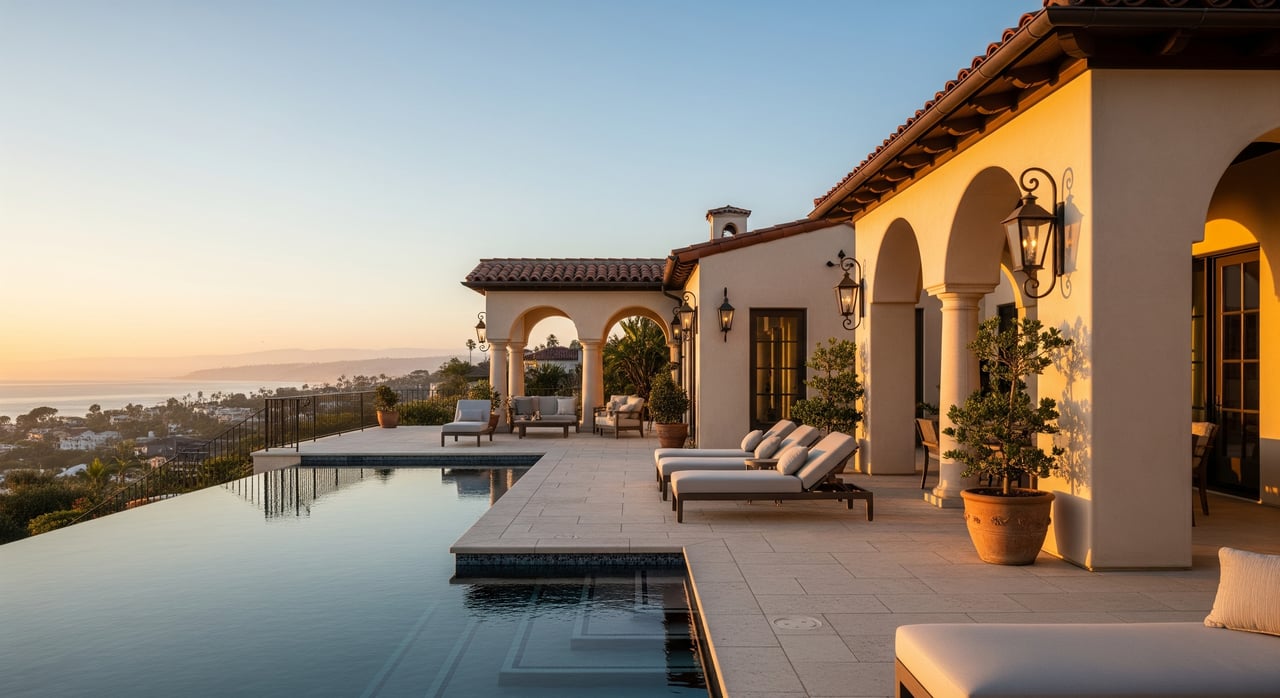
Ever wonder why two San Clemente homes with the same floor plan can sell for very different prices just because of the ocean view? If you are planning to sell, you want to price that view correctly. If you are buying, you want to be sure you are paying for real value, not hype. In this guide, you will learn what drives ocean-view premiums, how professionals calculate them, and how to use that insight to price, market, or negotiate with confidence. Let’s dive in.
What drives ocean-view premiums
Not all ocean views are equal. The market values several elements at once, and the mix determines the premium you can expect.
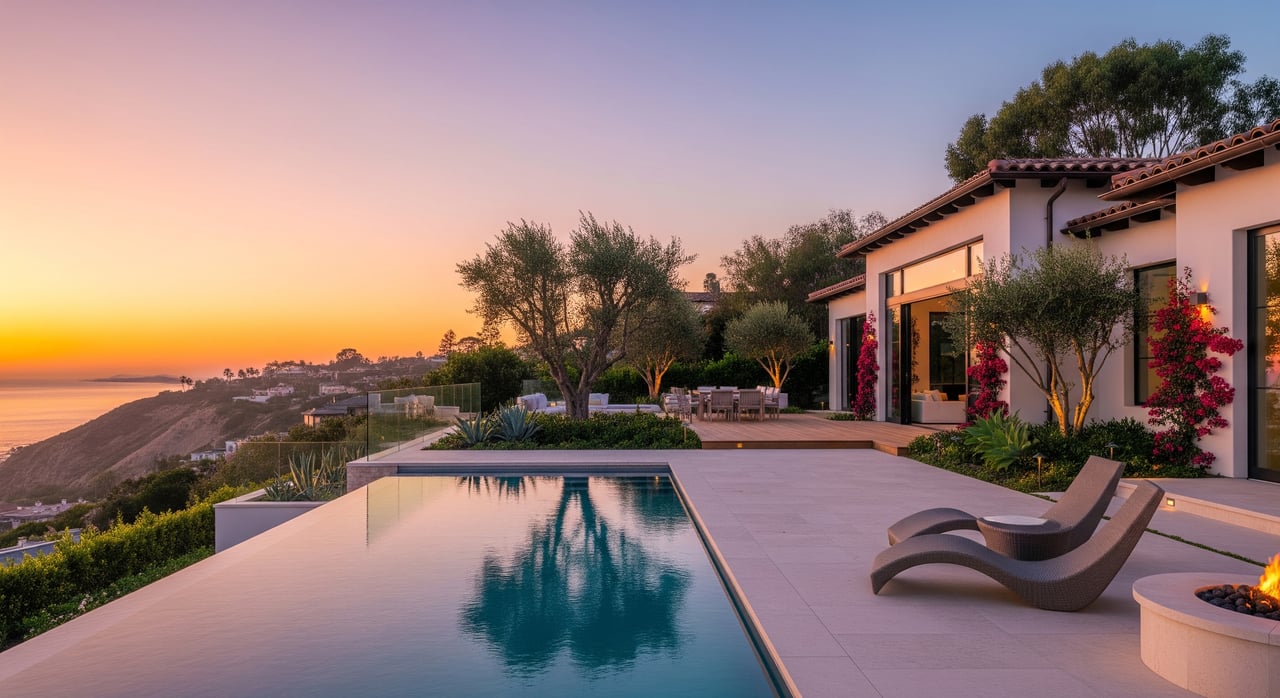
- Orientation and view quality. A full, unobstructed blue-water panorama with a clear horizon line commands the highest premiums. Partial views, where water is visible from some rooms or angles, are worth less. Peek-a-boo views that appear from small windows or limited spots are worth the least.
- Distance and elevation. Closer to the water often means a higher premium per square foot. That said, bluff-top elevation can widen the view and increase value. Elevated inland parcels, including some ridgelines near Talega, may deliver long-range ocean views even if they sit farther from shore.
- View type and features. Open blue-water views tend to top views focused on shoreline or coastal features. Sightlines that include iconic elements, like the San Clemente Pier or whitewater, can add a subjective bump for many buyers.
- Lot position and protection. Corner, bluff-edge, or view-corridor lots are more valuable. Views that are protected by public or non-developable land usually rate higher than views that rely on a neighbor not building up in the future.
- Privacy, noise, and microclimate. High privacy with uninterrupted sightlines increases appeal. Views above busy roads or active commercial areas often carry smaller premiums than similar views in quieter settings.
- Legal and physical risks. Bluff erosion, slope instability, sea-level rise, and the possibility of new development that could block a view reduce value. Buyers weigh these risks, which can pull premiums down.
How appraisers and agents price the view
There is no single formula. Professionals use several methods and then cross-check the results against real market behavior.
Sales comparison method
This is the preferred practical approach. You compare two nearby sales with similar size, age, condition, and lot size where one has the superior ocean view and the other does not. The price difference, after adjusting for other factors, is the view premium. This method reflects actual buyer behavior but requires strong matched pairs, which can be scarce in San Clemente.
Regression or data modeling
With enough recent sales, a model can estimate how much a view adds while controlling for size, bedrooms, age, and lot. This helps isolate the view effect across many properties. The limitation is that results depend on data quality and may miss nuances like privacy or specific sightlines.
Percentage add-on
Many practitioners use a calibrated percentage applied to similar non-view homes. Typical ranges in strong coastal markets are context dependent. Small or peek-a-boo views often come in under 5 percent, partial ocean views commonly fall in the 5 to 15 percent range, and full unobstructed blue-water views often reach 10 to 30 percent or more. Your local comps should confirm where your property sits within these ranges.
Cost and income approaches
Replacement cost is rarely useful for view value. For investment properties, you can estimate a rental premium for view units and capitalize it. This is less applicable to most owner-occupied homes.
Step-by-step: estimate your view premium
Use a simple, repeatable process to narrow in on a defensible number.
- Define the view. Rate it with a consistent scale, such as premium panoramic, strong partial, modest, or none. Be specific about what rooms and outdoor spaces have the view.
- Gather local comps. Focus on the same micro-location, ideally the same street or immediate area, sold within the last 6 to 24 months. Match size, condition, lot, and age.
- Adjust non-view differences first. Normalize for square footage, renovation level, lot size, and amenities. Then evaluate the remaining price gap as the view premium.
- Use more than one pair. When perfect matches are scarce, triangulate across several comps and apply smaller, careful adjustments.
- Cross-check with market behavior. Compare days on market and sale-to-list ratios for view and non-view homes nearby to confirm buyer demand.
- Account for risks and obstacles. Review coastal hazards, insurance costs, and any development or vegetation that could change the view. Apply negative adjustments where needed.
San Clemente specifics to know
San Clemente’s bluffs, pier, and curving shoreline create diverse view profiles. Bluff-edge properties above North and South Beach and homes with direct sightlines to the pier or open horizon often command the largest premiums. Elevated inland homes, including some on Talega-area ridgelines, can capture long-distance views that attract buyers seeking vistas without immediate beach exposure.
Premiums vary by price tier. Luxury buyers sometimes pay disproportionately more for rare, protected panoramas. In a cooler market, view premiums may compress as buyers become more price sensitive.
Regulatory and physical factors matter. The California Coastal Commission, the City of San Clemente, and Orange County planning rules affect bluff setbacks and potential development that could impact views. Coastal hazards, including erosion and sea-level rise, can influence insurance availability and cost. These elements shape both value and buyer confidence.
Lifestyle demand supports value. Proximity to the pier, walkable beaches, and dining adds to the experience of a view home. If short-term rental potential is part of your plan, consider local regulations and seasonal demand patterns when evaluating income upside.
Documentation that supports your price
Clear documentation helps appraisers and buyers understand and justify the premium.
- Photos and video. Capture the view from main living areas, the primary suite, and outdoor spaces. Consider multiple times of day and season.
- Drone imagery. Show elevation, lot position, neighboring rooflines, and possible obstructions.
- View diagrams. Include compass orientation and line-of-sight graphics so buyers see the corridor you are selling.
- Measurements. Note distance to shore and elevation above sea level from reliable sources.
- Floor plan. Mark which rooms have views and the vantage points used in your marketing.
- Public records. Check nearby building permits and planning cases that could affect your view. Include relevant risk designations, such as flood zones or bluff setback documentation.
A simple rating scale for CMAs
Use a consistent scale in your market analysis and marketing materials.
- A (Premium): Unobstructed, panoramic blue-water view, protected by topography or public land, visible from main indoor and outdoor spaces.
- B (Strong Partial): Significant ocean or shoreline views from key rooms or yard, with some angle limits or minor obstructions.
- C (Modest): Peek-a-boo or seasonal glimpses from a limited number of rooms.
- D (None): No water view or fully obstructed.
Record your rating, then apply paired sales to translate the letter grade into a supported dollar or percentage premium.
Pricing and negotiation tips
For sellers
- Lead with comps. Set your list price with matched view and non-view sales. Avoid relying only on high percentages without evidence.
- Market the view professionally. Use drone footage, twilight photography, and clear view diagrams. Highlight protected view elements, nearby amenities, and privacy.
- Disclose early. Share known bluff conditions, coastal hazard info, easements, and any pending neighbor permits.
- Negotiate smart. If the view is your main value driver, protect price while being flexible on minor non-price items to keep buyers engaged.
For buyers
- Verify protection. Review planning records for adjacent lots and the maintenance rules for vegetation that could affect the view.
- Bring the right appraiser. Coastal experience matters when view comps are thin.
- Quantify your leverage. Ask the seller to substantiate the claimed premium with recent, similar view comps. Use longer time on market or weak comps to justify a reduction.
- Inspect the site. Consider specialized inspections for bluff or slope stability where relevant.
Appraisal and financing
Lenders rely on supportable comps. If the appraiser cannot justify the claimed view premium, the appraised value may come in below contract price. Plan for a potential gap between loan amount and purchase price when large view premiums are involved.
Common pitfalls to avoid
- Treating all views the same. Two blue-water views can differ sharply in breadth, protection, and privacy.
- Overusing rules of thumb. Percentage ranges are helpful, but your comps and micro-location should drive decisions.
- Ignoring risk. Coastal hazards, insurance costs, and possible future obstructions can erode value.
- Reaching for distant comps. The farther you go from the subject’s micro-market, the less reliable your adjustments become.
- Under-documenting. Without visuals, diagrams, and records, it is hard to defend the premium in negotiation or appraisal.
Ready to put a number on your view and back it up? Get a data-driven pricing strategy and premium marketing that showcases your sightlines the right way. Schedule a quick strategy call with the Sadri Group to get started.
FAQs
How do professionals appraise an ocean view in San Clemente?
- They prefer matched-pair sales within the same micro-location, adjust for non-view differences first, then attribute the remaining price gap to the view and cross-check with broader market behavior.
What percentage do ocean views add to a home’s value?
- It varies by property and market. Peek-a-boo views are often under 5 percent, partial views commonly range 5 to 15 percent, and full unobstructed blue-water views can reach 10 to 30 percent or more, subject to local comps.
How can I tell if my view is protected from future development?
- Review local planning and permit records for adjacent parcels, check whether your view corridor is buffered by public or non-developable land, and confirm setback rules that may limit new structures.
Do bluff erosion or sea-level risks affect ocean-view premiums?
- Yes. Documented risks related to bluff stability or flood exposure can reduce buyer confidence, impact insurance availability or cost, and lower the supportable view premium.
What documentation helps justify my asking price for a view home?
- Use professional photos, drone images, line-of-sight diagrams, a clear view rating, and matched comps from your micro-market, plus any relevant risk disclosures and permit checks.
Are inland San Clemente homes with distant views still valuable?
- Elevated inland or ridgeline homes can command solid premiums when they offer wide, unobstructed sightlines, good privacy, and strong overall lifestyle value, even if they are farther from the shore.
How should I negotiate if a seller’s view premium seems inflated?
- Request recent comparable sales with similar view quality, point to days on market or sale-to-list ratios for leverage, and use a local coastal appraiser to validate your position.