If you are shopping in Laguna Niguel, you are likely weighing more than bedrooms and views. You are also asking if the community’s pools, trails, and greenbelts are worth the monthly dues and whether they actually boost resale value. That is a smart question in a city known for master planning and outdoor living.
In this guide, you will learn how specific HOA amenities can shape buyer demand and price, what dues really cover, and the exact California documents to review before you commit. You will also get a practical checklist to compare communities with confidence. Let’s dive in.
Why amenities matter in Laguna Niguel
Laguna Niguel was planned around parks and trails. The city highlights roughly 80 miles of trails that connect neighborhoods, parks, and scenic hillsides, which is a major lifestyle draw for many buyers. You can see the network on the city’s official Trails Map and Guide.
HOAs are common here. The city notes there are over 120 homeowner associations within Laguna Niguel and even maintains an HOA resources page for education and support. Many associations maintain pools, clubhouses, greenbelts, slope landscaping, and private streets. That means the quality and cost of these amenities vary by community.
Market context also supports the importance of amenities. As of early 2026, market indexes for Laguna Niguel show typical home values in the low to mid 1.3 to 1.4 million range. In a higher‑value market where outdoor living is expected, well‑maintained amenities can influence how quickly a property sells and how confident buyers feel about long‑term ownership costs.
What the research says about value
Parks, greenbelts, and trails
Independent reviews consistently find a positive link between proximity to quality green space and home values. A recent literature review concluded that most types of green space tend to raise values for nearby single‑family homes, especially when parks are well‑designed and feel safe. Premiums vary by neighborhood and distance, with stronger effects within a few hundred meters. You can explore a summary in this peer‑reviewed review of green space and property value.
Case studies from park‑economics groups also document measurable benefits. Analyses that use conservative methods still report neighborhood‑level premiums for homes within close walking distance to parks or linear greenways. Many use about 500 feet as a baseline impact zone and find broader effects for significant greenway projects. See an example of this approach in the Trust for Public Land’s analysis.
Why it matters here: Laguna Niguel’s trail and park system is a defining feature. If an HOA provides direct access to a greenbelt, a pocket park, or private trail connectors that are well kept, you often see stronger buyer interest. The precise price effect depends on location, maintenance quality, and how scarce the amenity is nearby.
Pools, clubhouses, and community centers
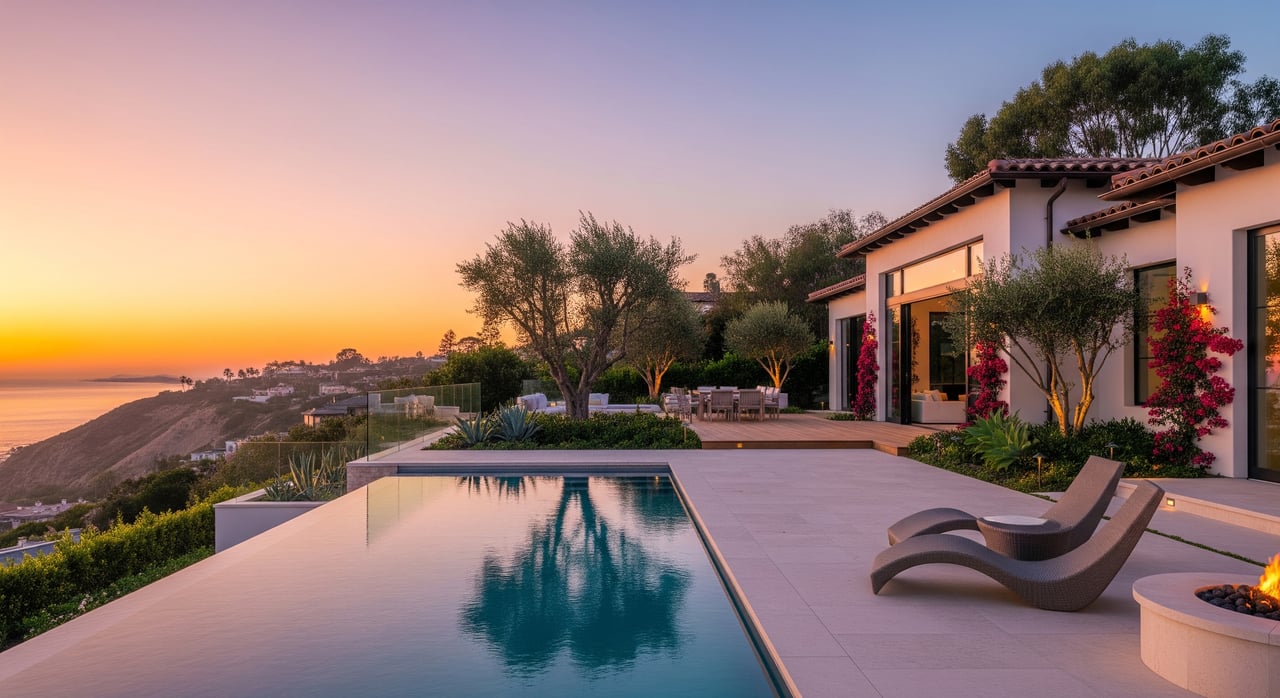
Pools and clubhouses can make a neighborhood more marketable, especially in warm‑weather coastal counties where outdoor time is part of daily life. But the resale premium is not one‑size‑fits‑all. Industry data show that new private pools rarely recover their full installation cost at resale. In short, pools are a lifestyle benefit first, a guaranteed ROI second. You can review broader ROI patterns in the Cost vs. Value findings.
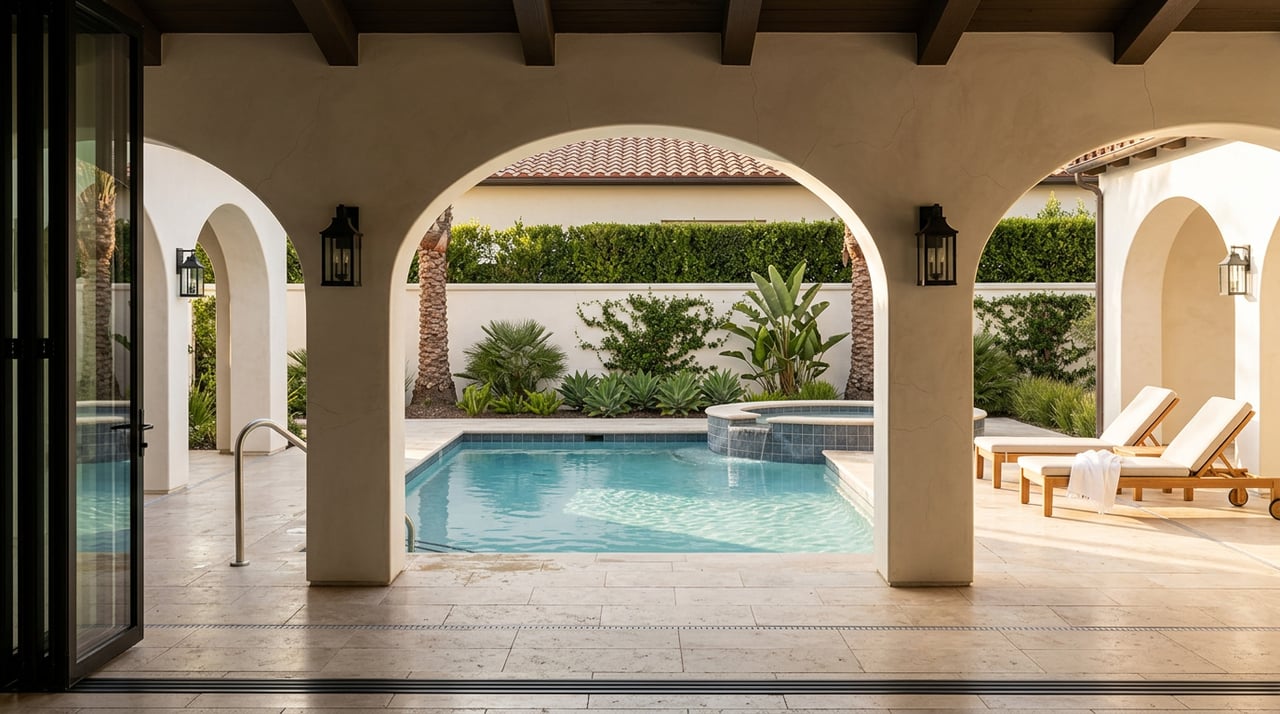
Shared HOA pools and amenity centers change the math. Owners get the benefit without individual maintenance, which can increase appeal. At the same time, these features raise ongoing operating costs for the association. If dues are high or reserves are thin, the net value advantage can fade. The key is matching amenity quality and use to a stable budget and healthy reserves.
Trails and linear greenways
Greenway projects often support neighborhood uplift and stronger walkability metrics, which many buyers prize. Several municipal examples document significant percent increases along new or improved corridors, though each project is unique. For a summary of best practices and outcomes, review this greenways and trails planning resource.
In Laguna Niguel, homes that back to greenbelts or sit near trailheads may see stronger showing traffic. When comparing listings, note both the distance to a trail or park and whether access is public or HOA‑private.
Weighing amenities against HOA dues
What HOA dues usually cover
Treat dues as a bundled product that includes operations plus long‑term savings:
- Grounds and landscape maintenance for common areas
- Pool and spa operations and repairs, plus equipment servicing
- Clubhouse utilities, cleaning, staffing, and programming if offered
- Insurance for common areas, with stated policy limits and deductibles
- Private road or gate maintenance where applicable
- Reserve fund contributions for major replacements and repairs
- Management fees and administrative costs
- Security services, trash, or shared utilities in some associations
High dues are not automatically a negative if they fund well‑used amenities and a smart reserve plan. What matters is transparency, value delivered, and long‑term sustainability.
Laguna Niguel fee context
City‑level data compiled by TransparencyHOA show an average monthly HOA payment around $400 and an average reserve funding level near 50.8%. These are broad averages. Individual HOAs can be much higher or lower, so you should always rely on the community’s actual financials in the resale packet. Review the TransparencyHOA Laguna Niguel city summary for context on funding levels and why adequate reserves matter.
Cost drivers that affect your bottom line
When you compare two communities with similar homes, look closely at:
- Amenity scope and condition. A simple tot lot costs less than a heated resort‑style pool with a staffed fitness room.
- Staffing and programming. Lifeguards, events, and classes add recurring expense.
- What dues include. Some HOAs cover water, trash, master insurance, or bulk internet, which can offset owner expenses.
- Age of major systems. Older roofs, paving, irrigation, or pool equipment can signal near‑term capital needs.
- Quality of the reserve study. California law requires specific reserve‑study practices. Ask if a professional site visit was used and when the study was last updated. See Civil Code Section 5550.
How to evaluate an HOA package before you offer
Use this quick, practical checklist to pressure‑test value against dues.
Step 1: Request the resale packet early
Ask your agent to request the full resale disclosure packet as early as possible. California’s Davis–Stirling Act lists the required items, including CC&Rs, bylaws, rules, current assessments, annual budget materials, reserve summaries, and 12 months of approved board minutes. Review the list in Civil Code Section 4525.
Step 2: Read the annual budget report and reserve summary
The annual budget report must include a summary of reserves, an insurance summary, and disclosures about planned assessments. Start there to gauge the HOA’s financial health. See Civil Code Section 5300.
Step 3: Study the reserve study details
Request the most recent reserve study or full summary. Confirm the components listed, remaining useful life, estimated replacement costs, and the funding plan. Ask whether a physical site visit informed the analysis. California specifies minimum contents in Section 5550.
Step 4: Scan the minutes for patterns
Read the last 12 months of approved board minutes. Flag repeated mentions of deferred maintenance, failed bids, vendor disputes, amenity closures, or discussions of special assessments. Patterns matter more than any single entry.
Step 5: Verify insurance and coverage gaps
Review the insurance summary. Note policy limits, exclusions, and deductibles for common areas. Confirm what your own HO‑6 policy should cover inside the unit or home, since HOA master policies usually do not cover interiors or personal property. The annual budget report must include an insurance summary under Section 5300.
Step 6: Ask targeted amenity questions
Email the manager for clear, written answers:
- Who owns and maintains each amenity, and what is the annual operating cost per amenity?
- Are any amenities scheduled for repair or replacement in the next 1 to 3 years?
- Are lifeguards or trained staff provided at the pool? What are the guest rules?
- Is there an equipment replacement schedule for major systems?
Red flags that can cost you later
Not all issues are deal breakers, but these deserve a closer look with your agent and, if needed, an attorney or CPA:
- Reserve funding far below recommended levels. TransparencyHOA notes that falling under roughly 30 percent of recommended funding increases special‑assessment risk. See the Laguna Niguel summary for why funding levels matter.
- Repeated minute entries about deferred repairs, contractor disputes, or failed bids that suggest governance or funding problems.
- Large insurance deductibles or association loans that increase fixed obligations.
- Pending litigation or recent construction defect claims that could lead to special assessments.
- Unusually high document or transfer fees and slow turnaround on resale packets that can delay closing.
Smart strategy: match lifestyle to value
Your goal is to pay for what you will actually use and what future buyers will value. Here is how to frame that decision:
- If you are an active outdoor person, prioritize direct access to trails or greenbelts. In Laguna Niguel, that can be a tangible differentiator. The city’s trails network is extensive, so note distance to the nearest entry.
- If you love the idea of a pool but will use it rarely, compare communities with simpler amenities and lower dues. You can often find similar homes with leaner budgets.
- If you prefer a social hub, a well‑run clubhouse with regular events can be worth higher dues. Confirm actual programming and usage in the minutes and budget.
- In all cases, favor HOAs with current reserve studies, clear financials, and steady, predictable dues over rock‑bottom dues that mask deferred costs.
When you evaluate homes side by side, write down the monthly dues, what they include, the reserve funding percentage, and any known or likely special assessments. Price the total cost of ownership, not just the list price.
Ready to compare communities like a pro?
You do not have to decode HOA documents alone. If you want a clear read on amenity value, reserve health, and total cost of ownership in Laguna Niguel, our team will walk you through the packet, highlight risks, and benchmark comps with and without key amenities. To start a focused conversation about your goals, connect with the Sadri Group. Schedule a free consultation.
FAQs
Do HOA pools and clubhouses increase home value in Laguna Niguel?
- They can increase appeal and marketability in warm‑weather submarkets, but resale premiums vary by neighborhood and buyer preferences. Industry research shows private pools often do not recoup full installation cost, and HOA pools shift costs across owners, so always compare nearby sales and review dues and reserves before assuming a premium. See the broader ROI context in the Cost vs. Value findings.
How much are typical HOA dues in Laguna Niguel, California?
- City‑level data indicate an average monthly payment around $400, with wide variation by community. Always verify the specific HOA’s budget, reserve summary, and inclusions in the resale packet. Review context in the TransparencyHOA Laguna Niguel summary.
Which California HOA documents should I review before buying in an HOA?
- Start with the resale packet contents required by Civil Code Section 4525, then read the annual budget report and reserve summary required by Section 5300 and the most recent reserve study under Section 5550. These show assessments, reserves, insurance, and upcoming projects. See Section 4525, Section 5300, and Section 5550.
What should I look for when comparing HOA amenities to dues in Laguna Niguel?
- Confirm what dues include, the condition and operating cost of amenities, reserve funding percentage, any planned special assessments, and real‑world usage seen in board minutes. Prioritize transparent budgets and current reserve studies over low dues that may hide deferred maintenance.